CNC plasma cutting is a precision manufacturing process that combines computer numerical control (CNC) technology with plasma cutting to deliver high-quality cuts. It's fast, efficient, and widely used in metal fabrication.
Understanding CNC Plasma Cutting: The Basics You Need to Know
CNC plasma cutting is a precision manufacturing process that combines computer numerical control (CNC) technology with plasma cutting to deliver high-quality cuts. It's fast, efficient, and widely used in metal fabrication, from industrial machinery to custom automotive parts.
What is CNC Plasma Cutting?
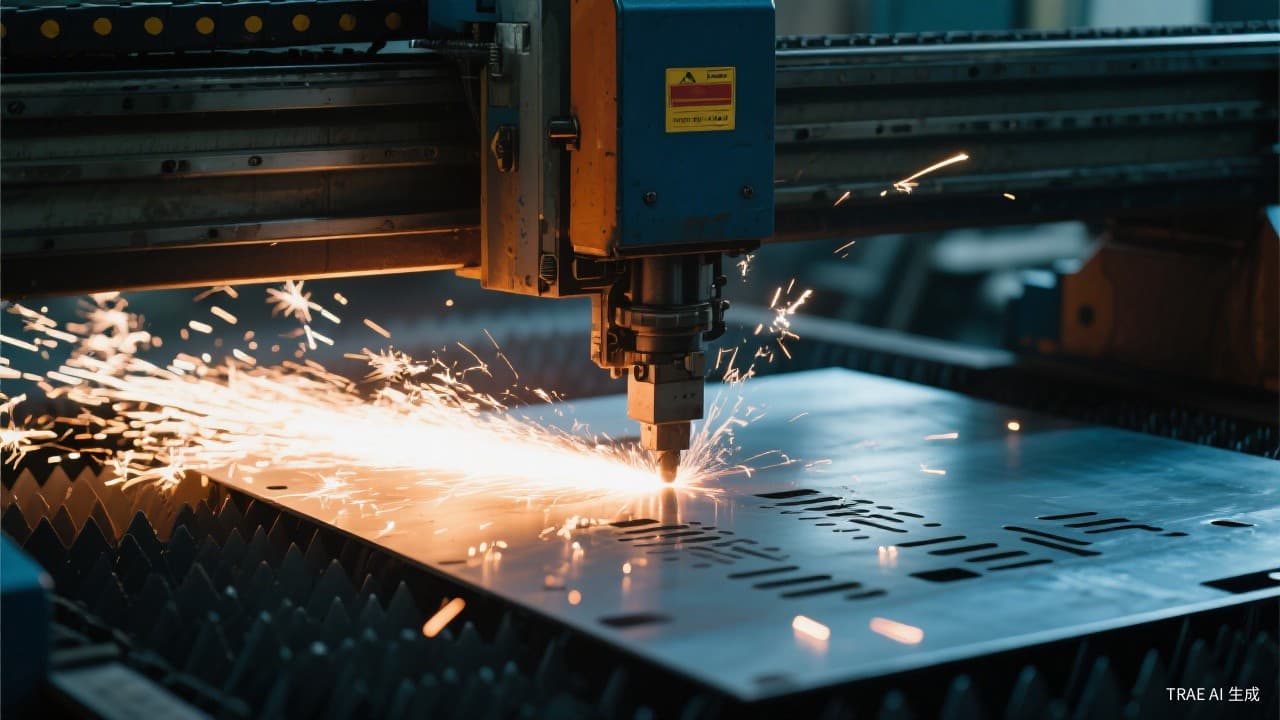
Ever seen metal sliced like it's paper? That's CNC plasma cutting in action. It's fast. Crazy precise. And? It's changing the game in metal fabrication. A superheated plasma jet blasts through steel, aluminum, and other conductive materials like they're nothing. No rough edges. No wasted material. Just clean, sharp cuts.
How It Works
A CNC plasma cutter isn't just a machine—it's a powerhouse with three key players:
- CNC Machine – The mastermind. It follows programmed paths, ensuring every cut is exact.
- Plasma Torch – The beast. Heats gas to a scorching 30,000°F, turning it into plasma.
- Cutting Software – The translator. Takes CAD designs and converts them into cutting instructions.
How CNC Plasma Cutting Works
1. Design Input (CAD Model)
It all starts with a CAD model, the digital blueprint. Engineers sketch out every detail, ensuring the design is flawless before the cutting even begins.
2. CNC Programming & Toolpath Generation
Next, the CAD file transforms into machine code. CAM software does the magic, mapping out the best cutting path for efficiency.
3. Plasma Arc Generation
Now the fun part. The plasma torch ignites—and boom, a 30,000°F arc bursts to life. Oxygen, nitrogen—whatever gas is used, it ionizes instantly, forming a high-speed plasma jet.
4. Material Cutting Process
The CNC plasma cutter moves, guided by software, slicing through steel, aluminum, and other metals like butter. Molten metal? Blown away instantly, leaving behind clean edges.
Comparison of Cutting Methods
| **Cutting Method** | **Speed** | **Cost** | **Best For** | **Limitations** |
|---|---|---|---|---|
| Plasma Cutting | High | Low | Thick metals (up to 1.5" steel) | Rougher edges on thin materials |
| Laser Cutting | Medium | High | Thin sheets (<0.5"), precision work | Struggles with reflective metals |
| Waterjet Cutting | Low | High | Heat-sensitive materials | Slower, higher operational costs |
Best Materials for CNC Plasma Cutting
| **Metal** | **Best Thickness Range** | **Best Plasma Gas** | **Edge Quality** |
|---|---|---|---|
| Mild Steel | Up to 1.5 inches | Oxygen | Clean edges, minimal slag |
| Stainless Steel | Up to 1.25 inches | Nitrogen / Argon-Hydrogen | Smooth edges |
| Aluminum | Up to 1 inch | Nitrogen / Argon-Hydrogen | Smooth edges |
| Copper | Up to ½ inch | Nitrogen / Argon-Hydrogen | Some dross |
Pros and Cons of CNC Plasma Cutting
Advantages
| **Pros** | **Description** |
|---|---|
| High Cutting Speed | Blazing fast. Faster than sawing or milling. |
| Cost-Effective | Cheaper than laser or waterjet cutting. |
| Versatile Material Compatibility | Handles steel, stainless steel, aluminum, copper. |
| No Tool Wear | Unlike mechanical cutters, no blades to replace. |
Limitations
| **Cons** | **Description** |
|---|---|
| Heat-Affected Zone (HAZ) | Thin metals can warp. |
| Lower Precision Than Laser | Tolerances around ±0.5mm. |
| Dross Formation | Aluminum & stainless steel might need cleanup. |
| Limited to Conductive Metals | No plastics, no wood, no glass. |
Why Choose LC Proto for CNC Plasma Cutting?
LC Proto delivers top-tier CNC plasma cutting with unmatched precision, speed, and reliability.
- State-of-the-art Machines – We use advanced plasma cutting systems for flawless cuts.
- Expert Technicians – Decades of experience in aerospace, automotive, and industrial fabrication.
- Fast & Reliable – Certified quality standards ensuring speed and trust.