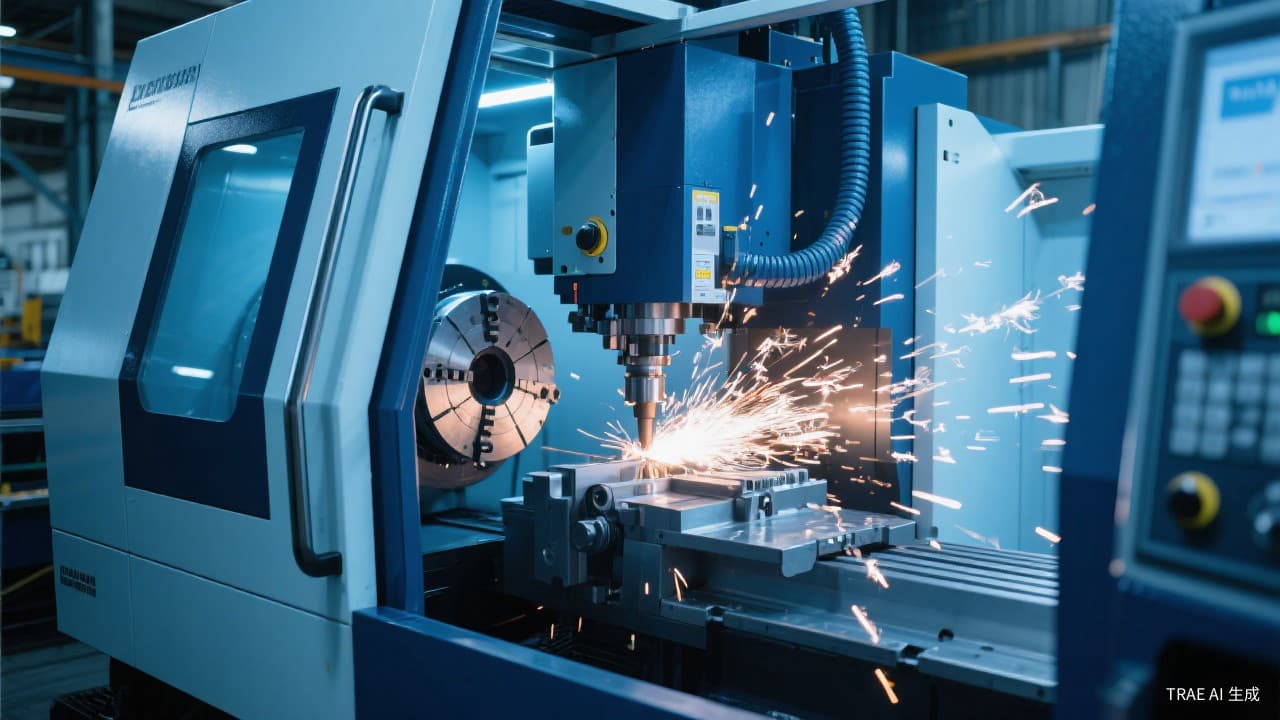
Have you stopped for a while to appreciate a finely engineered piece of gear or glanced into a busy manufacturing sector? Chances are, behind that spectacular phenomenon, there is a CNC machine, a silent worker.
What Does a CNC Machine Stand For and How Does It Work?
Have you stopped for a while to appreciate a finely engineered piece of gear or glanced into a busy manufacturing sector? Chances are, behind that spectacular phenomenon, there is a CNC machine, a silent worker. But what actually does a CNC machine stand for?
CNC, or computer numerical control, is merely a technical term, meaning that the machine is controlled by a digital command. Using these machine tools, like drills and lathes, is operated by coded commands, and raw materials are converted into finished products with great precision.
What Does a CNC Machine Stand for and How Does It Function?
CNC stands for Computer Numerical Control, a mouthful that simply means machines guided by digital blueprints. Think of it like a chef following a recipe, but instead of spices and pans, you've got drills, lathes, and lasers.
The "computer" here is the brains of the operation. It translates designs, say, a 3D model of a car part or a custom sign, into numerical codes (like G-code) that tell the machine exactly where to move, how fast to spin, and when to cut.
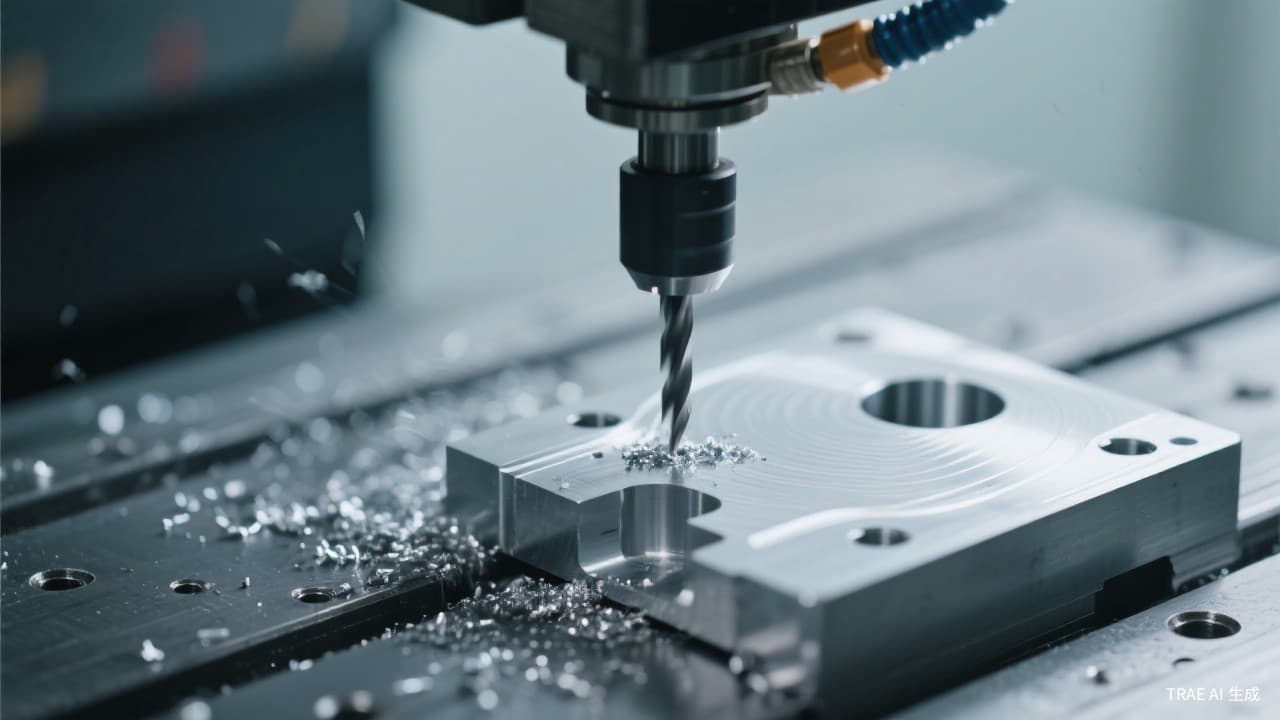
So, how does it actually work? Imagine loading a block of aluminum into the machine. Once the code is set, motors whir to life, positioning tools with microscopic precision. The spindle, a high-speed rotating component, sinks into the material, carving out shapes tighter than a human hand could ever achieve.
Sensors monitor everything, adjusting for heat or tool wear in real-time. It's automation with a craftsman's touch, no guesswork, just cold, hard math turning raw material into polished perfection.
Types of CNC Machines
A range of specialized tools is included in CNC machines; each is made for a particular material or task that demands perfect accuracy.
CNC Mills
CNC mills are devices that integrate advanced technology and mechanical expertise to drive progress in industries ranging from aerospace component manufacturing to intricate wood carving.
These wonderful machines provide the scene with an all-purpose tool for the manufacturing workshop. Slotting, drilling, and carving almost any material, wood, plastic, or metal, by rotating a cutting tool, is all possible.
CNC Lathes
Lathes focus on refining materials by spinning blocks of metal, wood, or plastic at high speeds. Stationary tools then shape the rotating material into symmetrical parts, such as screws, medical implants, or sports equipment.
CNC Routers
Crisp, intricate patterns on wooden signs or custom furniture often come from CNC routers. Such machines, structured primarily to perform applications involving softer materials like wood, foam, and plastic materials, operate by means of a spinning bit that cuts slabs into furniture, decor, or prototypes.
CNC Plasma Cutters
When thick metal sheets need cutting, plasma cutters take charge. They use a superheated plasma arc (think of it as a controlled lightning bolt) to slice through steel, aluminum, or copper.
CNC Laser Cutters
For projects needing microscopic detail, laser cutters excel. They use focused light beams instead of blades to etch or cut materials like acrylic, leather, or fabric.
CNC 3D Printers
Not all CNC machines remove material. This builds things in layers out of plastics, resins, or metal powders, like a 3D printer. They are used by dentists for implant creation and by designers for prototypes.
Advantages and Disadvantages of CNC Machines
CNCs changed the way we build everything, from car parts to custom furniture, but there are some odd things about the machines.
| **Advantages** | **Disadvantages** |
|---|---|
| Aerospace or medical devices call for pinpoint accuracy | Sky-high upfront costs for machines, software, and training |
| The process can run totally unattended, 24 hours per day | Steep learning curve to master programming |
| New designs can instantly go into production | Demands frequent maintenance |
| Work injuries are reduced | Struggles with organic, artistic designs |
How to Choose the Right CNC Machine for Your Needs
Choosing the best CNC machine is about matching the capabilities to your operations, not to everybody else in general.
Start with your materials. If you're machining aerospace-grade titanium or hardened steel, think of stiffness and torque. Such machines would be of the highest precision, able to withstand unbearable stress. A CNC router will usually do better in terms of detail and efficiency for softer materials like wood or plastics.
Size matters. High-production shops will need the machines to have any automation features, such as pallet changers and robotic arms, in order to minimize downtime. Easier operation and flexibility are what smaller operations or prototyping labs look for in a machine, though.
Budget beyond price. That $80,000 machine all seems manageable until you add in proprietary software subscriptions, specialty tooling, and maintenance surprises. These can practically double your investment.
How Does CNC Control the Movement of Machine Tools?
CNC machines don't just "move"; they follow digital choreography to create precise cuts.
Rapid Motion
Think of this as the machine's "sprint mode." The tool zooms from one position to another without cutting, saving time between operations.
Straight Line Motion
When the tool needs to cut a straight edge or drill a hole, it follows a linear path dictated by coordinates in the G-code.
Circular Motion
For curves, arcs, or intricate contours, the machine shifts into circular motion. By adjusting the radius and center point, tools carve smooth circles, ideal for gears, decorative elements, or rounded prototypes.
Choose a Professional CNC Machining Service for Your Needs
Not all CNC machining services are created equal, and that's where we stand apart at LC Proto. With years of expertise under our belt, we don't just use CNC machines; we master them to deliver precision that bridges the gap between your concept and reality.
Advanced Technology & Precision
- Equipped with 5-axis CNC machines, allowing for complex geometries beyond standard 3-axis systems.
- Expertise in machining aerospace components, intricate molds, and high-tolerance industrial parts.
- Capable of handling a wide range of materials, including metals such as titanium, aluminum, and stainless steel, and plastics such as engineering-grade polymers.
Collaborative Approach
- Design refinement and consultation to optimize manufacturability.
- Proactive problem-solving by identifying production pitfalls early.
- Efficient production processes that ensure speed without sacrificing quality.
Fast and Reliable Turnaround
- Rapid prototyping services to meet tight deadlines.
- In-house quality checks at every stage to maintain precision.
- Optimized production schedules to accelerate delivery times.
FAQs
Do CNC machines require coding skills?
Basic CAM software knowledge helps, but many manufacturers handle programming for you.
Can a CNC machine create one-of-a-kind designs and mass-produced parts?
Yes. CNC machines craft custom dental crowns, limited-edition furniture, or niche prototypes with the same precision as mass-produced aerospace bolts.
How do I ascertain that a CNC service provider is reliable?
Check for industry certifications (ISO 9001), customer reviews, and their portfolio of completed projects.