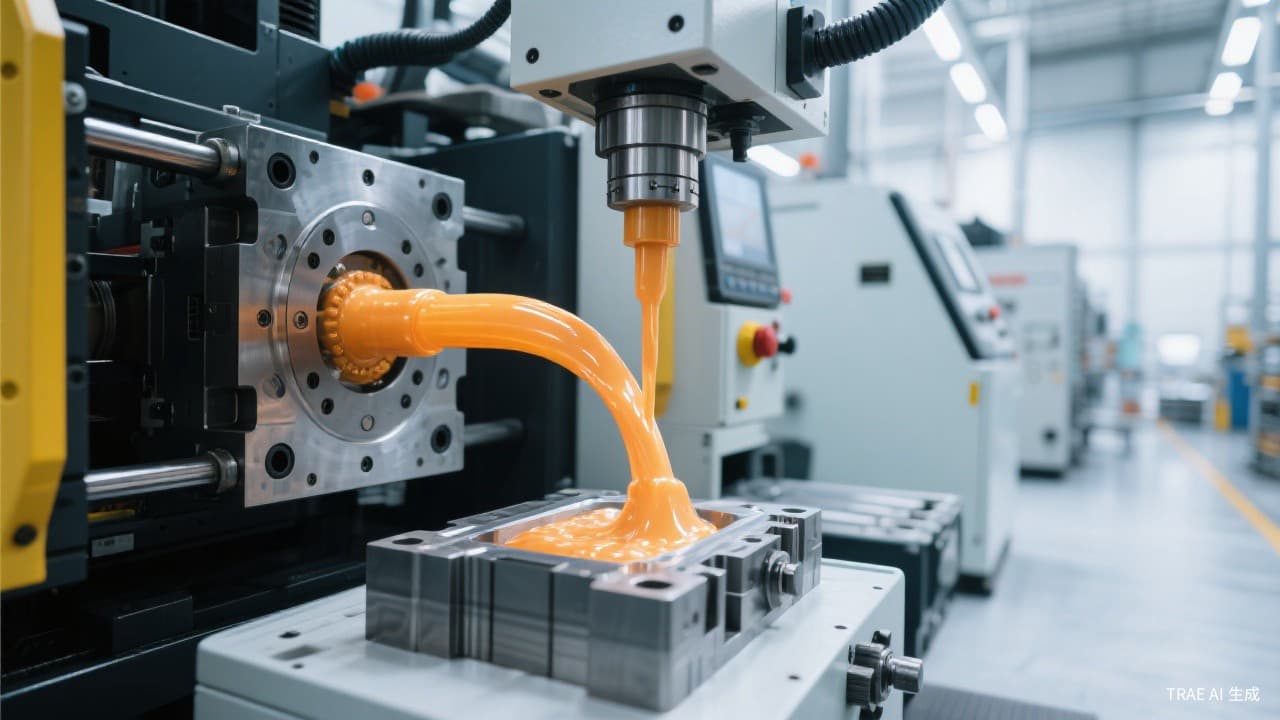
The injection molding process is a versatile production solution that manufactures plastic and rubber items at high speed and operational efficiency.
The Injection Molding Process: A Comprehensive Guide to Efficient Manufacturing
The injection molding process is a versatile production solution that manufactures plastic and rubber items at high speed and operational efficiency. Through its manufacturing process, the industry delivers service-based complex product production to multiple sectors, including automobile factories and consumer product manufacturing.
What is Injection Molding?
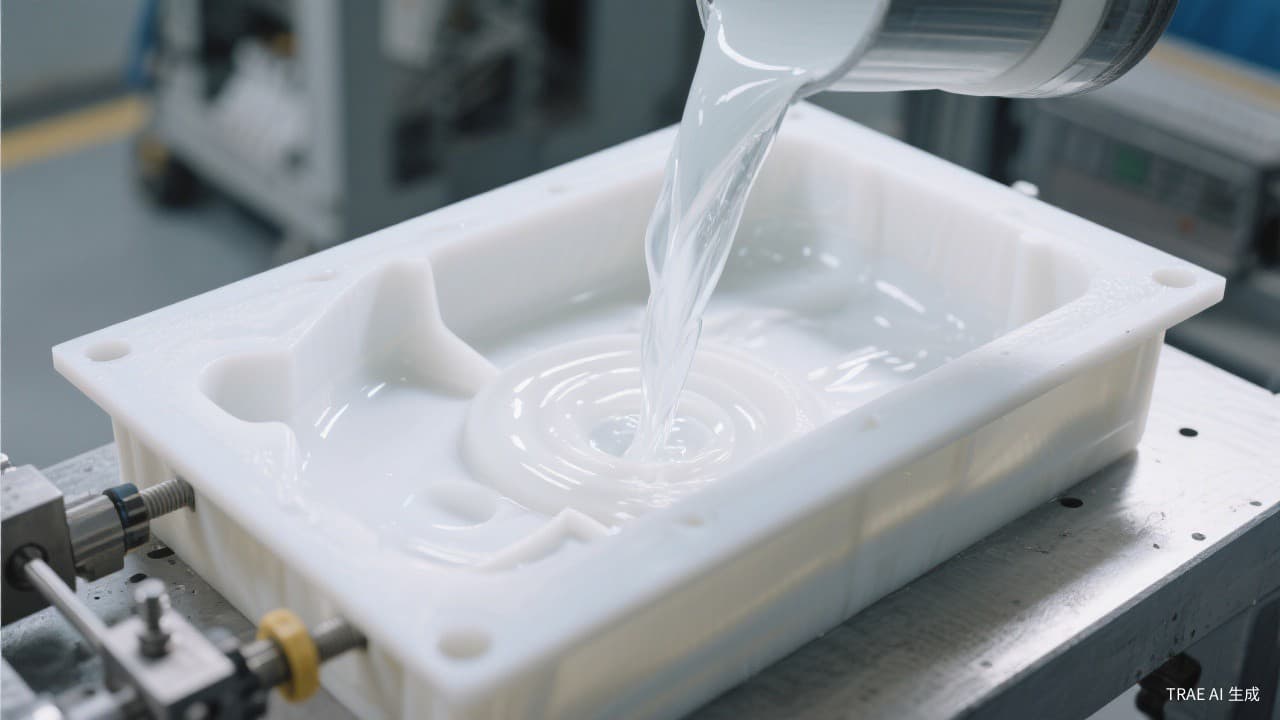
Injection molding involves melted plastic or rubber material being forcefully injected into shaped cavities under significant hydraulic pressure. Following the injection process, room temperature is assumed, which results in solidification, creating an exact version of the mold shape.
How Does the Injection Molding Process Work?
Step 1: Selecting the Right Thermoplastic and Mold
Material Selection:
- ABS (Acrylonitrile-Butadiene-Styrene) – Known for strength and impact resistance
- Nylon (PA) – Offers high wear resistance
- Polycarbonate (PC) – Transparent, tough, ideal for electrical parts
- Polypropylene (PP) – Lightweight, flexible, chemical resistant
Mold Design:
- The cavity functions as the unmoving mold section
- The core develops internal product features
Step 2: Feeding and Melting the Thermoplastic
Machine Components:
- Hopper – Accepts plastic pellets
- Heated Barrel with Screw Device – Melts the pellets
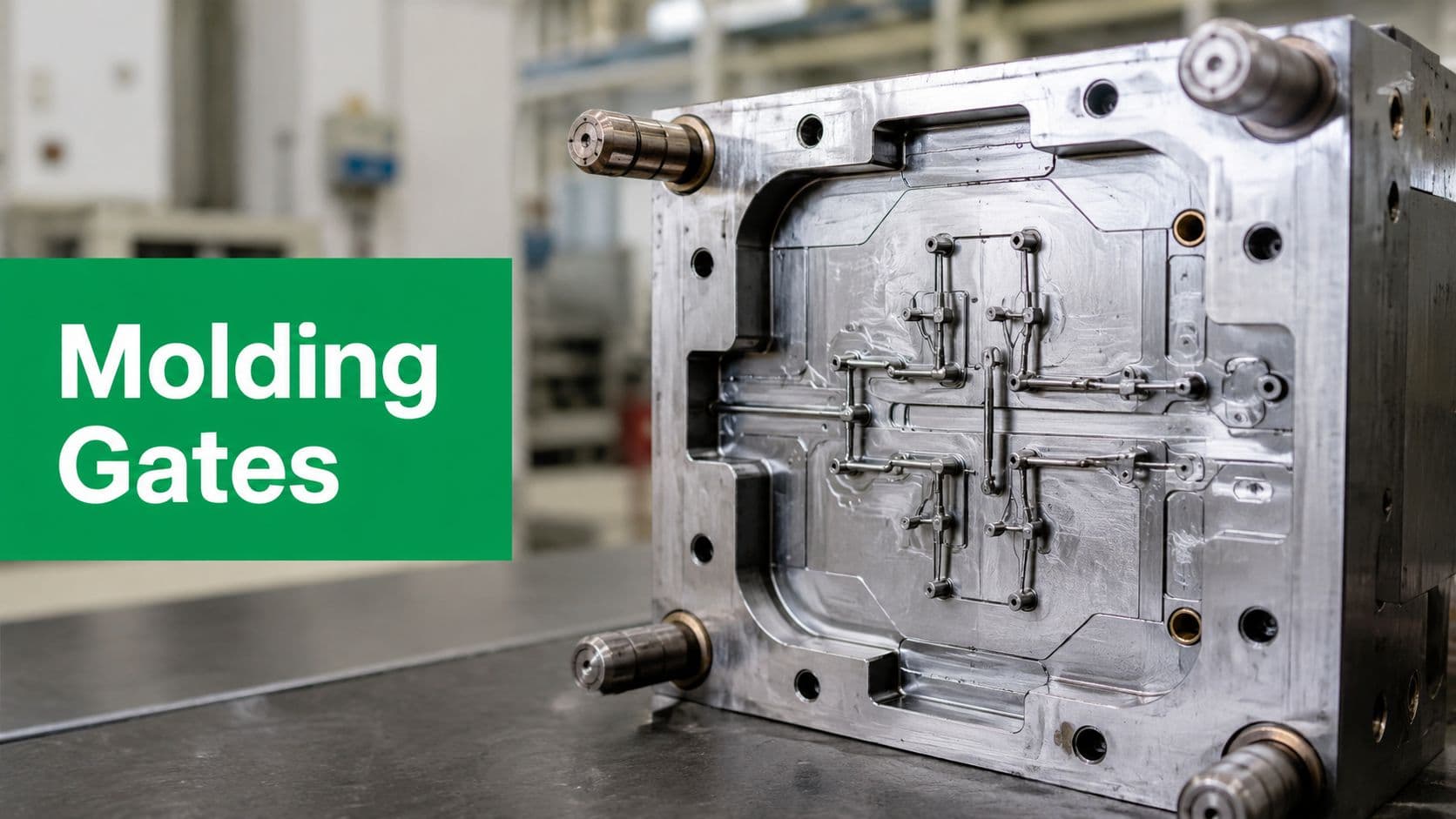
- Flow Control Gate – Regulates flow of molten material
- Mold Tools – Shape the final product
Step 3: Injecting the Plastic into the Mold
- Molten plastic reaches the end of the barrel
- The gate mechanism regulates injection flow
- Two mold halves are tightly clamped together
- Screw advances to inject molten plastic
Step 4: Holding and Cooling Time
- Pressure is maintained to ensure complete mold filling
- Cooling time varies based on material and part complexity
- Sufficient cooling ensures shape retention
Step 5: Ejection and Finishing Processes
- Ejector pins or plates release the cooled part
- Post-processing may include:
- Polishing
- Dyeing
- Removing excess plastic (sprues)
Key Components of the Injection Molding Process
| **Component** | **Description** |
|---|---|
| Injection Molding Machine | Melts plastic and injects into mold |
| Mold | Tool created to form molten plastic |
| Hopper | Receives plastic pellets |
| Barrel | Heats and melts plastic pellets |
| Screw | Moves plastic for injection |
| Nozzle | Controls plastic flow |
| Clamping Unit | Holds mold closed |
| Ejection System | Removes finished part |
Standard Materials for Injection Molding
- Polyethylene (PE): High chemical resistance, easy processing
- Polypropylene (PP): Remarkable strength, chemical resistance
- ABS: Impact resistance and toughness
- Polycarbonate (PC): Exceptional toughness and transparency
- Nylon (Polyamide): Superior mechanical strength
- Thermoplastic Elastomers (TPE): Combines rubber and thermoplastic behavior
Surface Finishes for Molded Parts
Molded Parts Surface Finishing Options:
- Polished Finish: Ideal for cosmetic appearance
- Textured Finish: Better grip features
- Matte Finish: Suitable for industrial components
- Brushed Finish: Hides skin marks and fingerprints
Post-Processing Techniques:
- Painting
- Plating
- Coating
- Polishing
- Texturing
Your Reliable Partner in the Injection Molding Process
LC Proto uses specialized injection molding capabilities to serve client requirements with inventive solutions.
- Advanced technological systems for high-quality outcomes
- Managerial expertise for intricate projects
- Focus on automotive, medical, and consumer electronics sectors
- Reliable services, customized solutions, and superior product quality