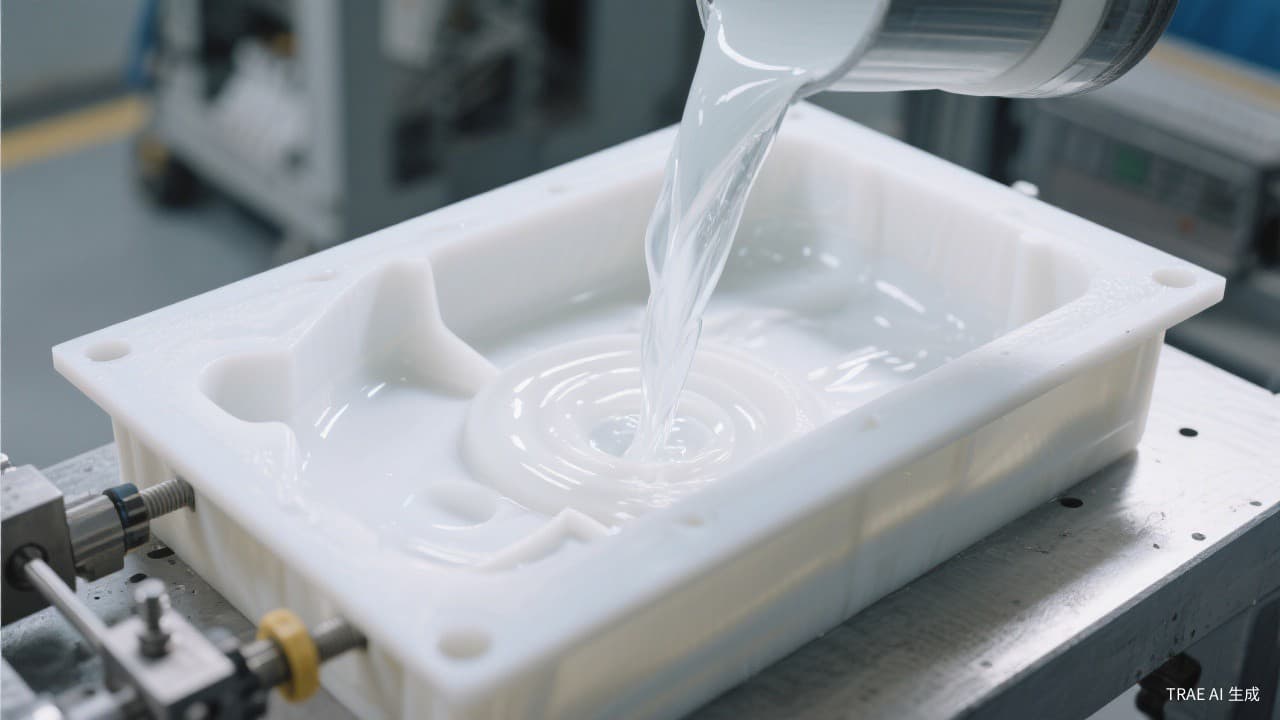
So, urethane casting vs injection molding—big decision, right? Each method shapes plastic parts in its own way. And trust me, the difference matters. Cost, material properties, production efficiency—it all comes into play.
Urethane Casting vs. Injection Molding: Which is Right for Your Project?
So, urethane casting vs injection molding—big decision, right? Each method shapes plastic parts in its own way. And trust me, the difference matters. Cost, material properties, production efficiency—it all comes into play.
Urethane casting is a solid option for low-volume production, custom designs, or when upfront costs need to stay low. On the other hand, injection molding is all about precision and strength. It creates durable, repeatable parts, making it ideal for mass production.
Thus, vacuum casting vs injection molding: each method has its place. It all eventually depends on your needs!
What is injection molding vs vacuum casting?
Both urethane casting vs injection molding are go-to methods for making plastic parts. But, they're not the same. Each has its own strengths, depending on how many parts you need, your budget, and the kind of material you're working with. Picking the right one? It's all about understanding how they work and what fits your project best.
Urethane Casting Process
Urethane casting is a go-to when you need small batches of plastic-like parts. It's fast and precise. It's a pretty straightforward process. First, a master pattern is made, usually with CNC machining or 3D printing. Then, it's covered in liquid silicone. Once that hardens? Boom—you've got a flexible mold. This mold is used to cast urethane-based resins, creating detailed prototypes or custom parts without the crazy costs of metal tooling.
It's a favorite for product prototyping, small-batch production, and anything needing flexible materials. Think medical devices, automotive parts, and consumer electronics, custom enclosures, rubber-like pieces, even medical wearables. But here's the catch: silicone molds don't last forever. They start wearing out after 25–50 uses, so urethane casting isn't ideal for mass production.
Injection Molding Process
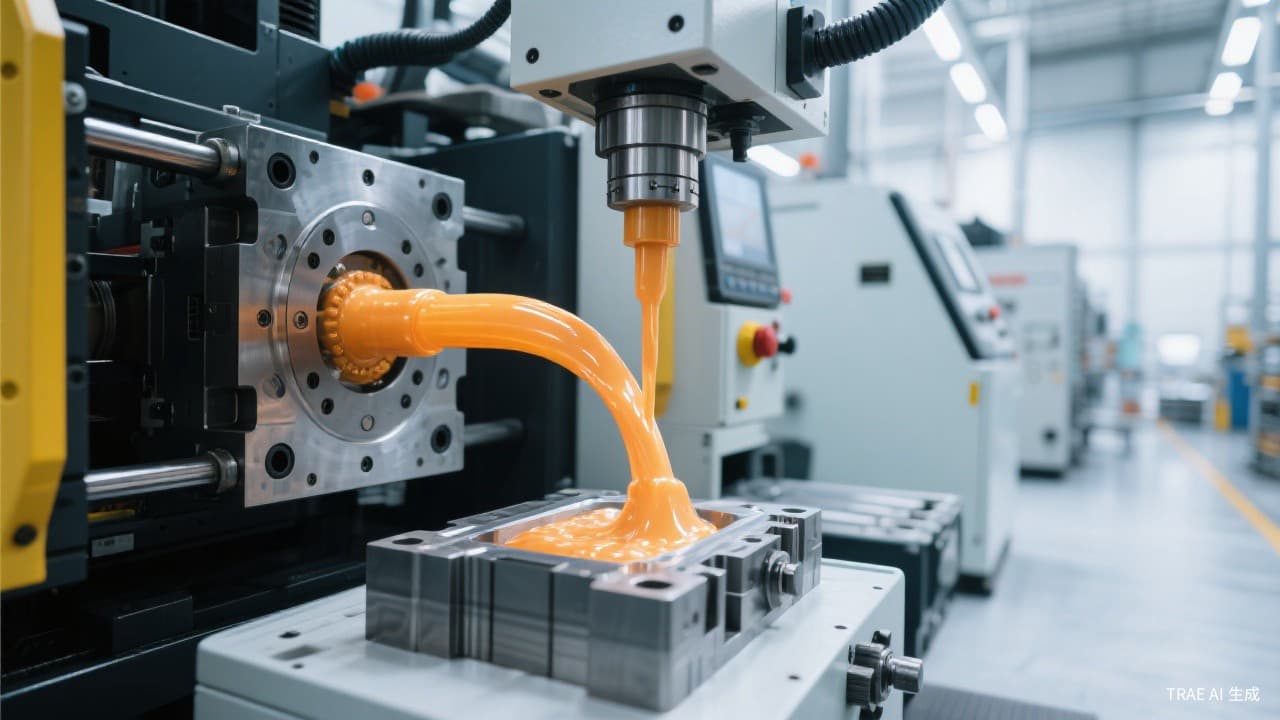
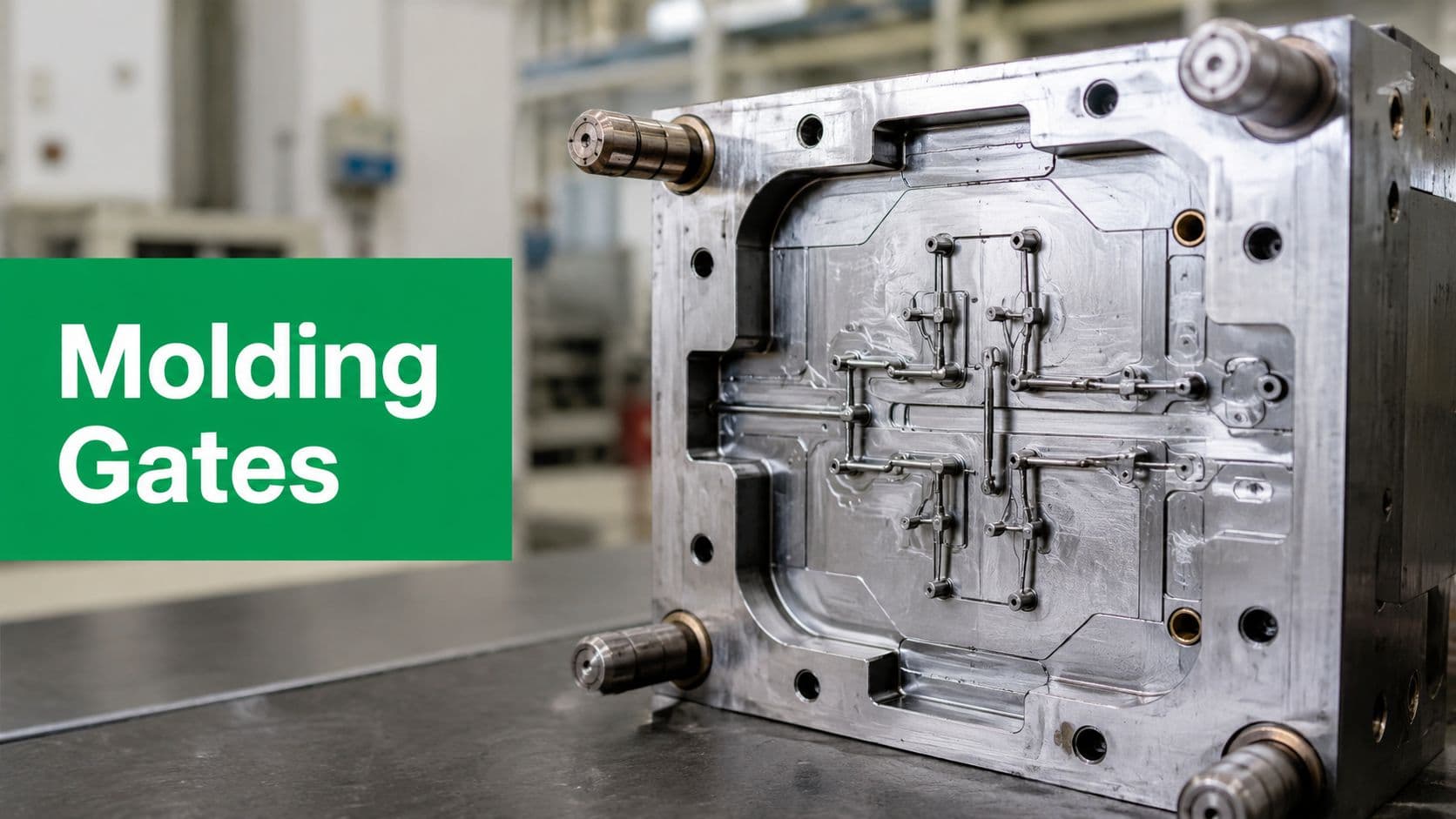
Now, injection molding, that's a whole different game. This method is built for mass production. We're talking thousands to millions of identical plastic parts, each one strong, durable, and precise. How does it work? Simple. Thermoplastic materials like ABS, Polycarbonate, Nylon, and PP are melted down and injected into rigid metal molds under high pressure. Once cooled, the part solidifies, pops out, and the cycle repeats. Over and over.
Industries that need high-strength, bulk production—automotive, aerospace, consumer electronics—swear by injection molding vs vacuum casting. It's not the cheapest to set up (those metal molds don't come cheap), but once production scales up? The per-unit cost drops dramatically. That's why it's the go-to for cost-efficient, large-scale manufacturing.
Key Difference Between Injection Molding and Vacuum Casting
Choosing between vacuum casting vs injection molding? It all comes down to production scale, budget, and part design. One's great for prototyping and low-volume runs. The other? Perfect for mass production.
Here's a side-by-side comparison of vacuum casting vs injection molding pros and cons:
| **Feature** | **Urethane Casting** | **Injection Molding** |
|---|---|---|
| Production Volume | Low to medium (~10-100 parts) | High (1,000+ parts) |
| Material Options | Urethane-based resins | Thermoplastics (ABS, Nylon, PP, etc.) |
| Tooling Cost | Low – silicone molds | High – metal molds |
| Lead Time | Short (1–2 weeks) | Long (4–8 weeks) |
| Part Durability | Good detail & flexibility | High strength & impact resistance |
| Cost per Part | Higher for large runs | Lower for mass production |
| Parts Complexity | Great for intricate designs | Handles simple to complex designs |
When to Choose Urethane Casting?
Need custom parts, quick prototypes, or flexible designs? Urethane casting is a solid choice. It's cost-effective for low-volume runs, lets you experiment with different materials, and skips the high price of metal molds. Fast, flexible, and precise.
Best Uses and Limitations of Urethane Casting
| **Feature** | **Urethane Casting – Best For** | **Limitations** |
|---|---|---|
| Rapid Prototyping | Quick, affordable iterations before mass production. | Not suited for mass production due to mold wear. |
| Small-Batch Production | Custom or limited-edition products (~10–100 parts). | Per-part costs rise for higher volumes. |
| Material Flexibility | Soft-touch, rubber-like, or transparent parts. | Limited to urethane-based resins. |
| Fast Turnaround | Short lead times (1–2 weeks). | Slower than injection molding for large orders. |
| Tooling Cost | Low-cost silicone molds for temporary use. | Molds degrade after 25–50 uses. |
When to Choose Injection Molding?
Need thousands—or even millions—of identical, high-precision plastic parts? Injection molding is your guy. Fast. Efficient. Cost-effective when you're scaling up. That's why industries like automotive, aerospace, and medical devices swear by it.
Best Uses and Limitations of Injection Molding
| Feature | Best For | Limitations |
|---|---|---|
| Mass Production | Cost-effective for 1,000+ parts—lower per-unit cost. | High initial tooling costs ($5,000–$100,000+). |
| High-Strength Components | Perfect for durable, heat-resistant parts. | Less material flexibility. |
| Precision & Repeatability | Tight tolerances (±0.005 inches or better). | Design changes are expensive. |
| Material Versatility | Works with a wide range of thermoplastics. | Longer lead times (4–8 weeks). |
| Scalability | Molds last for millions of cycles. | Not suitable for rapid prototyping. |
Cost Comparison: Urethane Casting vs. Injection Molding
Money matters. A lot. Whether you're just testing the waters with a small prototype batch or diving straight into mass production, cost isn't something you can ignore.
Cost Breakdown
| **Cost Factor** | **Urethane Casting** | **Injection Molding** |
|---|---|---|
| Tooling Cost | ~$500–$2,000 | ~$5,000–$50,000+ |
| Cost per Part (Low Volume) | ~$20–$100 | ~$2–$10 |
| Cost per Part (High Volume) | ~$10–$50 | <$1 |
| Lead Time | 1–2 weeks | 4–8 weeks |
| Break-even Point | ~100 parts | ~1,000+ parts |
Choosing the Right Partner – LC Proto
Picking the right manufacturing partner? That's where it all starts. Precision. Durability. Cost-efficiency. You need a team that gets it right the first time.
| **Why LC Proto?** | **Fact-Based Advantage** |
|---|---|
| Expertise in Urethane Casting & Injection Molding | 10+ years of industry experience, delivering 1000s of projects annually. |
| High-Precision Manufacturing | Tolerances as tight as ±0.05 mm, ensuring accuracy for intricate designs. |
| Cost-Effective Solutions | Up to 50% lower tooling costs compared to traditional methods. |